Essential Guide & Overview
Cooking over an open flame or a portable stove transforms a simple meal into an unforgettable highlight of your outdoor adventure.
Preparing food in the open air brings a unique flavor that no indoor kitchen can replicate. Whether you are simmering a stew over a crackling fire or searing freshly caught trout on a portable grill, the environment enhances every bite. Successful outdoor cooking relies on preparation and understanding your heat source. It requires a different set of skills than home cooking, focusing on temperature control and ingredient durability.
Choosing Your Cooking Method
Several options exist for the modern adventurer. Portable butane stoves offer precision and speed, making them perfect for coffee or quick grain bowls. Traditionalists often prefer the cast iron skillet over charcoal or wood. This heavy-duty cookware retains heat beautifully and develops a natural non-stick surface over time. If you choose to cook over wood, select hardwood like oak or maple for a consistent, long-lasting ember bed.
- Portable Gas Stoves: Ideal for high altitudes or damp conditions where wood is scarce.
- Cast Iron Cookware: The gold standard for heat retention and durability in the wild.
- Foil Packets: A simple, mess-free way to roast vegetables and proteins directly in the coals.
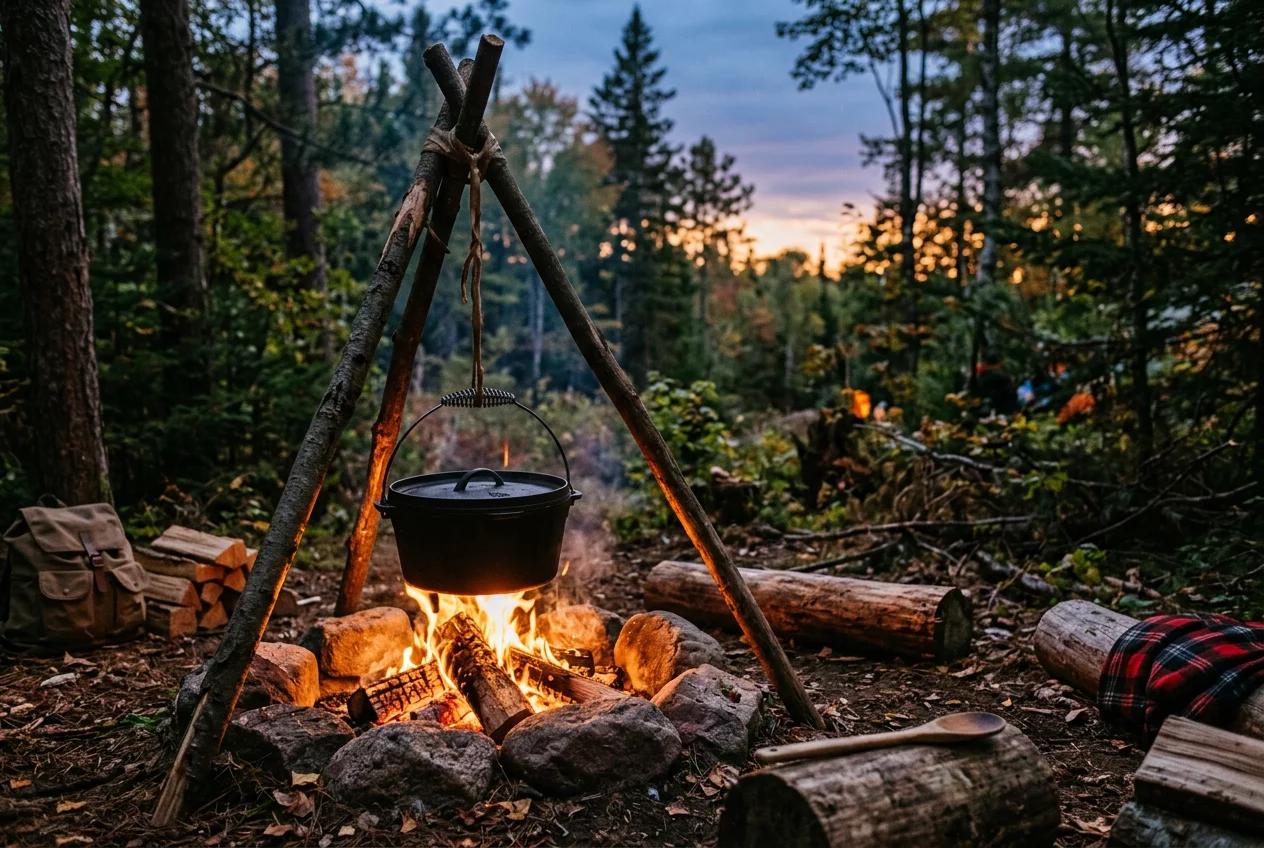
- Dutch Ovens: Perfect for baking fresh bread or slow-cooking hearty stews.
Essential Preparation Steps
Organize your ingredients before you even light the match. Chop vegetables and marinate meats at home to save time and reduce waste at the campsite. Keep your kitchen area clean and separate from your sleeping quarters to avoid attracting local wildlife. Safety remains the priority; always have a bucket of water or a small fire extinguisher nearby when working with open flames.
Sustainable Cooking Practices
Respect the environment that provides your scenic backdrop. Follow Leave No Trace principles by using existing fire rings and packing out all food scraps and packaging. Gray water from washing dishes should be disposed of at least 200 feet away from water sources like lakes or rivers. By maintaining these habits, you ensure the wilderness remains pristine for the next group of explorers.