Essential Guide & Overview
Safety is the cornerstone of every successful adventure on the water. Whether you are navigating a calm lake or a moving river, understanding risks and preparing for the unexpected is vital for everyone involved.
Staying safe on the water requires more than just knowing how to swim. It starts long before you push off from the shore, beginning with a thorough assessment of your environment and equipment. A proactive approach to safety ensures that minor mishaps do not escalate into dangerous situations, allowing everyone to focus on the beauty of the natural world without unnecessary stress or fear.
Essential Safety Equipment Check
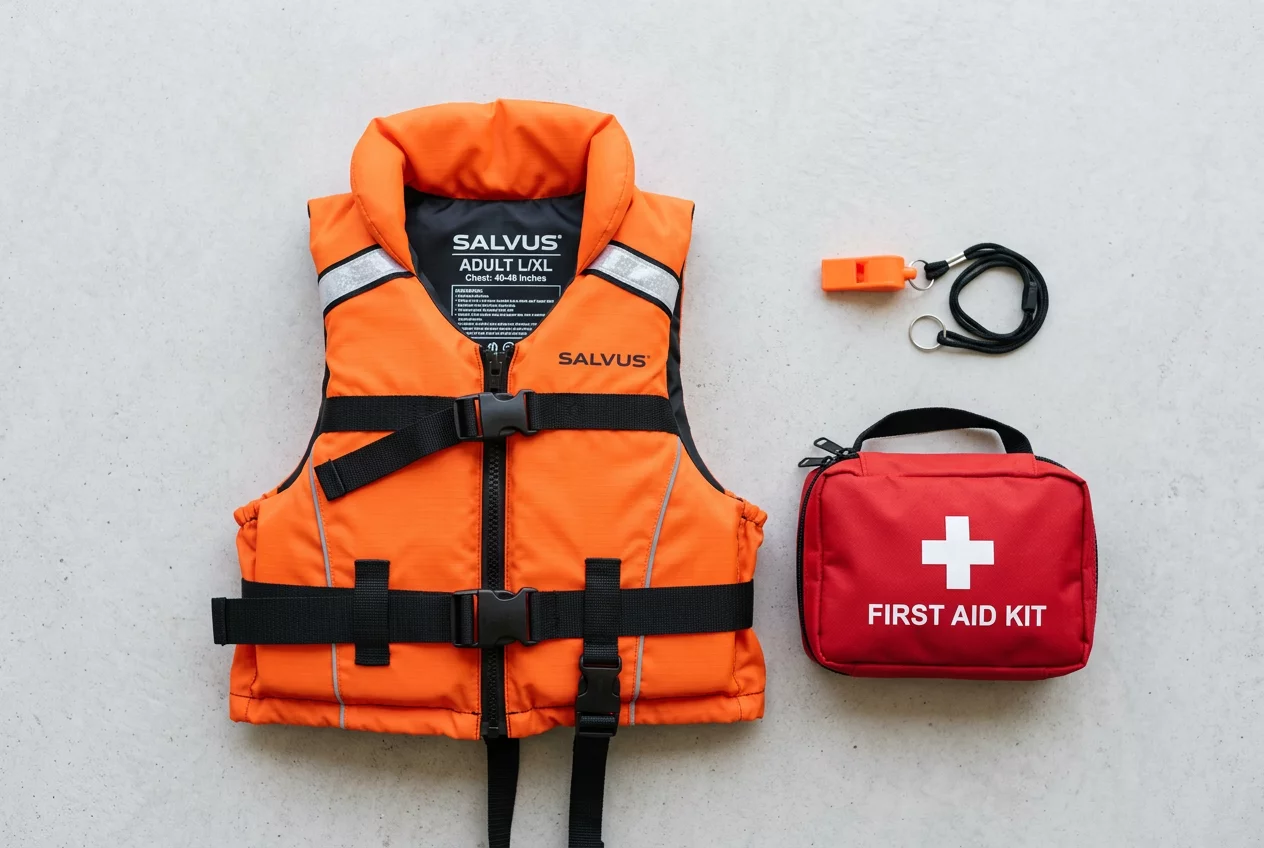
Never underestimate the importance of a properly fitted life jacket. Ensure every person on board has a Coast Guard-approved Personal Flotation Device (PFD) that matches their weight and size perfectly. In addition to flotation, always carry a signaling device—a simple whistle attached to your vest works best as it functions even when wet. Pack a basic first aid kit in a waterproof dry bag, including antiseptics, bandages, and any personal medications. Check your vessel for hull integrity and verify that you have an extra paddle or a manual bailing pump if you are using a kayak or a small boat.
Evaluating Environmental Conditions
Lakes and rivers can be deceptive. Before setting out, review the local weather forecast specifically for wind speed and lightning risks. On rivers, observe the current strength and look for hazards like fallen trees or submerged rocks. In lakes, be aware of sudden drop-offs or underwater vegetation that can snag gear. Monitor the water temperature; cold shock is a significant risk even on sunny days. Otherwise, you might find yourself in a dangerous situation if the water is below 70°F (21°C). Consider wearing a wetsuit or a drysuit to protect against hypothermia in case of immersion.
Navigation and Communication Protocols
Always employ the buddy system—never go out on the water alone. If you must travel solo, file a float plan with someone on shore. Tell them exactly where you are going, what your vessel looks like, and when you expect to return. Maintain awareness of your surroundings and stay clear of larger motorized craft that may have limited visibility or large wakes. Use a waterproof phone case or a handheld VHF radio if you are heading into remote areas where cellular reception is spotty.
Managing Emergencies and Rescues
If someone falls overboard, stay calm. Reach out with a paddle or throw a floatation device instead of jumping in yourself, as this can lead to two victims instead of one. If you capsize, stay with the boat; it is easier for rescuers to spot a hull than a single person in the water. Learn the basics of CPR and know the signs of heat exhaustion and hypothermia. Taking a local water safety course can provide the hands-on skills needed to handle these high-pressure moments effectively without hesitation.