Essential Guide & Overview
Spotting local wildlife requires more than just luck; it demands a deep understanding of animal behavior and environmental cues. This guide provides the foundational skills needed for successful and ethical nature observation in any waterfront setting.
Wildlife observation begins long before you step into the forest. Animals follow strict routines based on food availability and seasonal shifts. They frequent water sources during dawn and dusk, making these the prime windows for sightings. Successful watchers understand that the environment speaks through subtle clues, from the rustle of dry leaves to the sudden silence of songbirds when a predator is near.
Effective Observation Tactics
Stealth is your greatest asset. Natural camouflage helps you blend into the background, but your movement matters more than your clothing. Slow, deliberate steps prevent the sudden vibrations that alert sensitive species to your presence. Otherwise, the local fauna will retreat into the brush long before you arrive.
- Move against the wind to prevent your scent from reaching the animals first.
- Keep the sun at your back to illuminate subjects while keeping your own face in shadow.
- Avoid direct eye contact with larger mammals, as many species interpret this as a sign of aggression.
- Use available cover like large trees or rocks to break up your silhouette.
Selecting Your Observation Tools
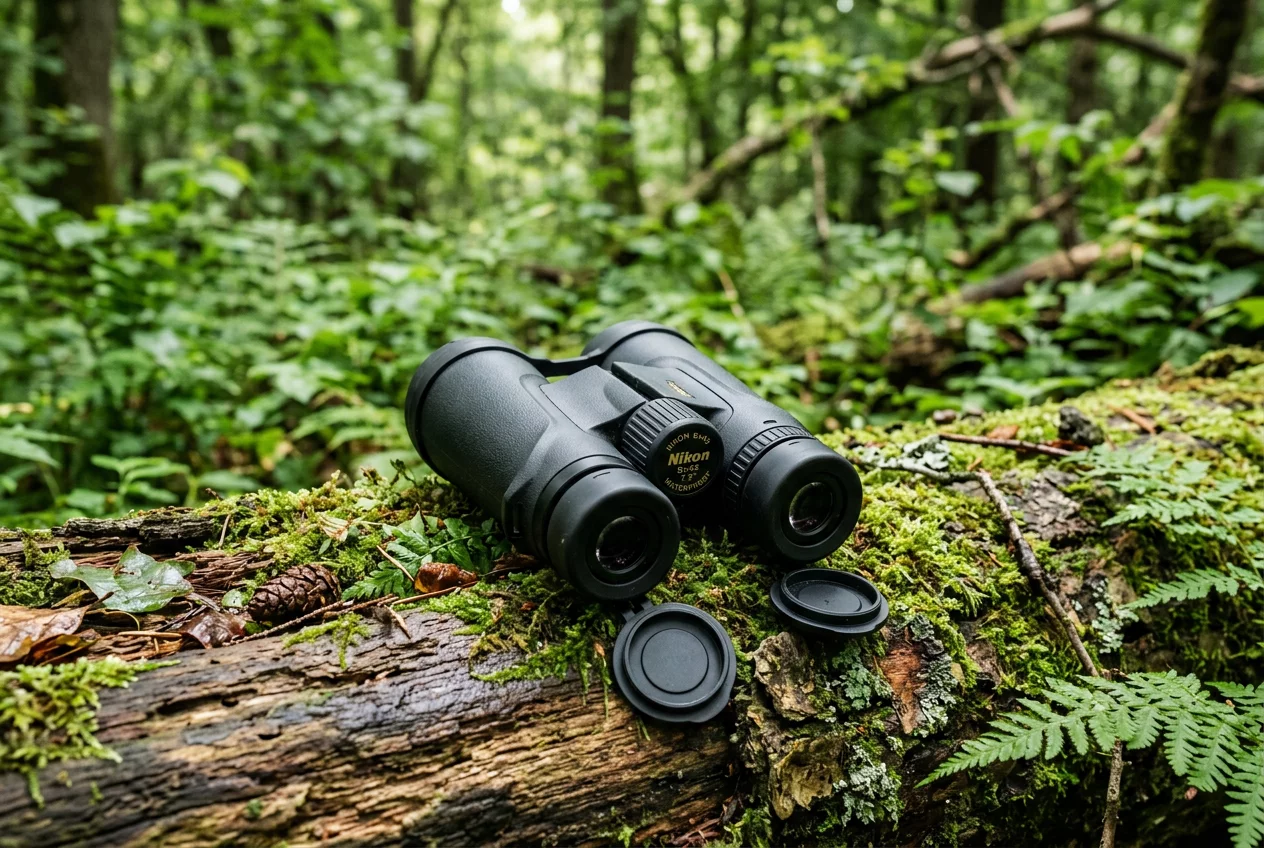
High-quality optics make the difference between seeing a blur and identifying a rare bird. A pair of 8x42 binoculars offers the best balance of magnification and light gathering, which is essential for low-light dawn excursions. Many modern units feature waterproof coatings that prevent fogging in humid lakeside environments.
Take a lightweight tripod for longer sessions at a fixed location. Check the stability of your gear before setting up on uneven riverbanks. Pack a dedicated notebook to record sightings immediately, including the time, location, and specific behaviors observed. These records build a personal database that helps predict future animal encounters.
Ethics of Nature Interaction
Maintaining distance ensures the animal remains undisturbed in its natural state. Human presence often triggers stress responses that interfere with feeding or mating cycles. It is vital to prioritize the animal's welfare over getting a perfect photograph. Professional observers stay on marked trails to protect the surrounding flora and prevent habitat fragmentation.
Keep at least fifty yards away from larger mammals like deer or moose. Use telephoto lenses instead of physically approaching the subject. Leave no trace of your presence by carrying out all waste and avoiding the use of artificial calls or baiting, which can habituate animals to human food and lead to dangerous interactions.
Timing and Weather Dynamics
Overcast days often bring out more active predators that prefer the muted light for hunting. Most forest dwellers seek deep shade during the midday heat to conserve energy. Planning your arrival thirty minutes before sunrise allows the environment to settle after your initial intrusion. Remain completely still for at least twenty minutes after reaching your spot. Listen for alarm calls from squirrels or jays, as these indicators often point directly to moving wildlife nearby.